Guided Antelope Hunts: A Comprehensive Plan
Montana’s 2024 regulations for deer, elk, and antelope hunting are now available, impacting 270,000 annual publications and guided hunt planning.
Guided antelope hunts offer a unique pathway for hunters seeking a successful and immersive experience. Montana’s recently released 2024 regulations highlight the popularity of these hunts, with a massive 270,000 copies distributed annually. These hunts cater to varying skill levels, providing expert assistance and maximizing the chances of a rewarding harvest.
Why Choose a Guided Antelope Hunt?
Opting for a guided antelope hunt simplifies the complexities of planning and execution. Considering Montana distributes 270,000 hunting regulation copies yearly, navigating rules can be daunting. Guides provide invaluable knowledge, handling logistics, and increasing your odds of a successful, legally compliant, and memorable hunting adventure.

Increased Success Rates
Guided antelope hunts demonstrably elevate hunter success. With Montana’s extensive 270,000-copy regulation distribution highlighting complex rules, guides expertly navigate these. Their in-depth knowledge of antelope behavior and prime hunting locations significantly boosts your chances of a harvest, maximizing your investment and time.
Local Expertise & Scouting
Guided hunts leverage invaluable local expertise, crucial given Montana’s detailed 270,000 regulation copies. Outfitters possess intimate knowledge of terrain, antelope migration patterns, and feeding grounds. Extensive pre-hunt scouting identifies prime locations, increasing encounter probabilities and optimizing your hunting experience for success.
Safety & Navigation
Guided antelope hunts prioritize safety, especially in unfamiliar terrain. Experienced guides expertly navigate challenging landscapes, ensuring hunter well-being. They’re adept at handling potential hazards and possess crucial first-aid knowledge. This expertise complements Montana’s comprehensive 270,000 regulation publications, fostering a secure hunt.
Popular Antelope Species for Hunting
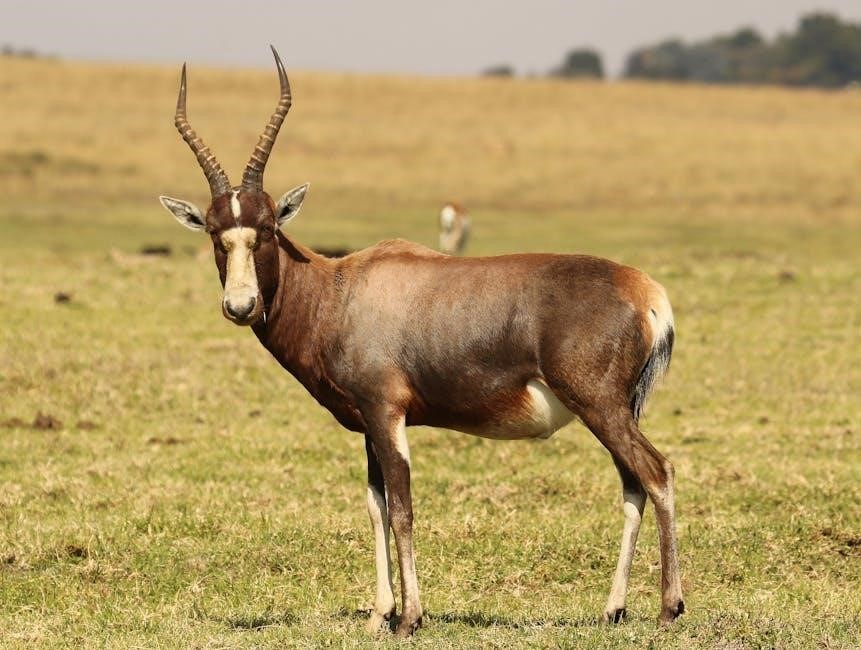
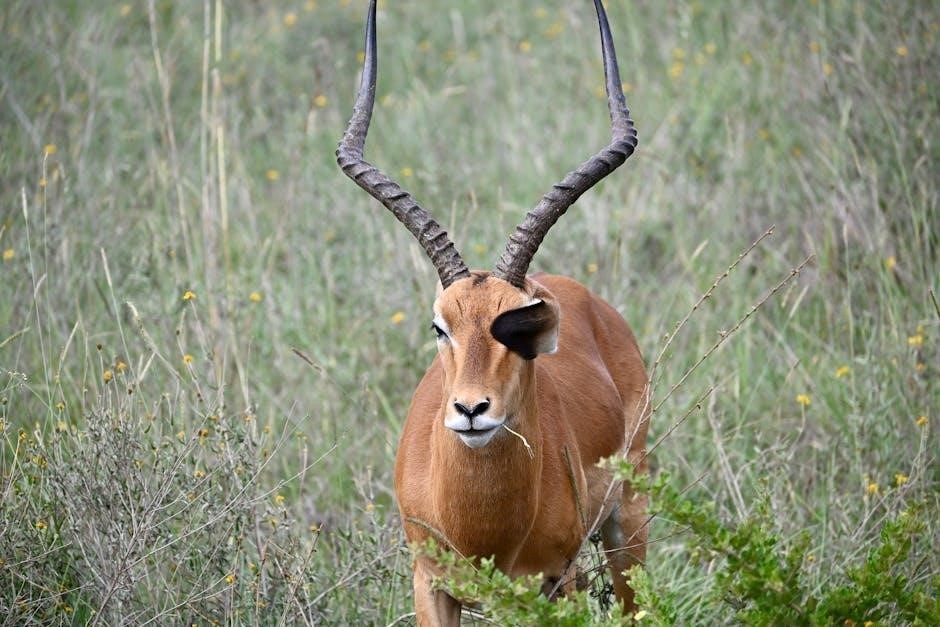
Guided antelope hunts frequently focus on the swift Pronghorn, prized for its speed and challenging hunt. While often misidentified, American antelope also present opportunities. Montana’s 270,000 hunting regulation copies detail species-specific rules, ensuring ethical and legal harvests during these exciting guided experiences.
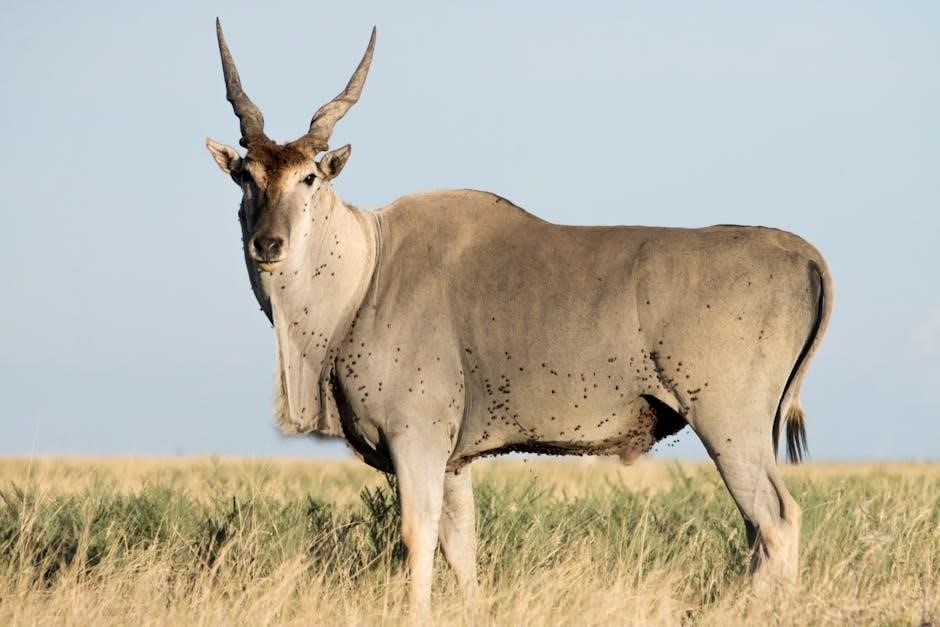
Pronghorn Antelope: The Speedster
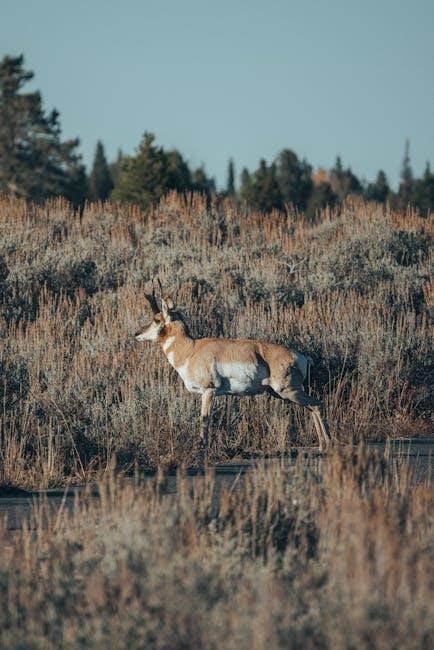
Pronghorn are renowned for incredible speed, making guided antelope hunts a thrilling pursuit. Montana’s 2024 regulations, distributed in 270,000 copies, outline legal hunting methods for this iconic species. Success relies on skilled guides and understanding pronghorn behavior within their vast, open habitats.
American Antelope (Often Misidentified)
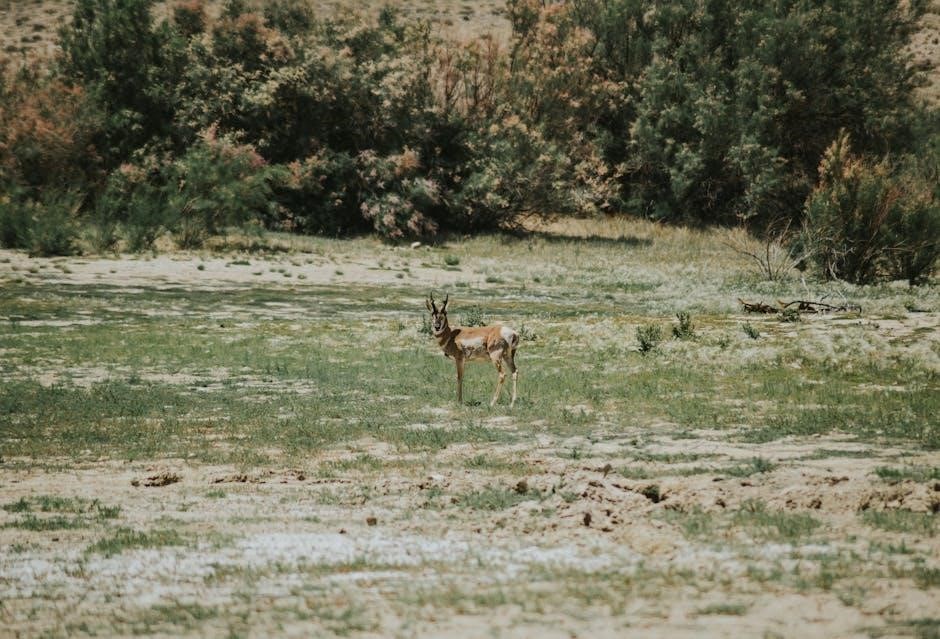
Often called “antelope,” these are actually pronghorn, North America’s fastest land mammal. Guided antelope hunts require precise identification due to regulations detailed in Montana’s 2024 hunting guide (270,000 copies). Experienced guides ensure legal harvests and educate hunters on distinguishing features.
Top Locations for Guided Antelope Hunts (USA)
Montana stands out, mirroring the release of its 2024 deer, elk, and antelope regulations impacting 270,000 hunters. Wyoming and Nevada also offer premier opportunities. Guided antelope hunts in these states capitalize on vast landscapes and abundant pronghorn populations.
Wyoming: The Antelope Capital
Wyoming earns its title, benefiting from the recent release of Montana’s 2024 hunting regulations, influencing planning across the region. Guided antelope hunts here thrive due to expansive plains and significant pronghorn numbers, attracting hunters seeking premier experiences annually.
Montana: Big Sky Country Opportunities
Montana’s newly released 2024 deer, elk, and antelope regulations are pivotal for planning guided hunts. The “Big Sky Country” offers diverse terrain and growing antelope populations, creating unique hunting experiences for those seeking adventure and a challenging pursuit.
Nevada: Desert Hunting Challenges
Nevada presents unique guided antelope hunts within its challenging desert landscapes. The 2024 regulations, alongside deer and elk rules, are crucial for hunters. Success demands adaptability, knowledge of water sources, and skillful navigation across vast, arid terrains for a rewarding experience.
Types of Guided Antelope Hunts
Guided antelope hunts encompass diverse strategies, mirroring the 2024 regulation considerations for deer and elk. Options include spot and stalk, demanding patience, and blind hunts near vital waterholes. Outfitters tailor approaches based on terrain and antelope behavior for optimal success.
Spot and Stalk Hunts
Spot and stalk hunts, influenced by 2024’s Montana regulations, require keen observation and physical fitness; Guides utilize terrain to approach antelope cautiously. Success hinges on wind direction, camouflage, and a hunter’s ability to endure lengthy stalks across open landscapes, mirroring elk hunting tactics.
Blind Hunts & Waterhole Strategies
Blind hunts, informed by Montana’s 2024 regulations, capitalize on antelope’s need for water, especially during drier periods. Strategically placed blinds near waterholes offer concealed shooting opportunities. Guides leverage knowledge of travel corridors, anticipating animal movements for successful, ethical harvests.
Cost Breakdown of a Guided Antelope Hunt
Considering Montana’s 2024 hunting regulations, guided antelope hunts involve several costs. License and tag fees vary by state, while guide and outfitter costs cover expertise and logistics. Accommodation and meals add to the total expense, impacting overall hunt budgeting.
License & Tag Fees
Montana’s 2024 regulations detail varying license and tag fees for antelope hunting. These costs depend on residency status and specific hunt units. Hunters must factor these fees into their overall budget alongside guide services and other associated expenses for a successful hunt.
Guide & Outfitter Costs
When planning a guided antelope hunt, guide and outfitter costs represent a significant portion of the total expense. Montana’s popular hunting regulations impact demand, influencing pricing structures. Expect variations based on hunt duration, services included, and the outfitter’s reputation.
Accommodation & Meals
Accommodation and meals are crucial components of a guided antelope hunt package, varying widely in quality and cost. Montana’s hunting regulations indirectly affect lodging demand during peak seasons. Options range from basic camps to luxurious lodges, impacting the overall hunt expenditure significantly.
Essential Gear for Your Antelope Hunt
Essential gear for a successful antelope hunt includes quality rifles and appropriate ammunition for long-range shots. Optics, like binoculars and rangefinders, are vital in Montana’s vast landscapes, aiding in spotting and accurate distance assessment during the hunt.
Rifles & Ammunition
Rifles chambered for flat-shooting cartridges, like .270 Winchester or 6.5 Creedmoor, are ideal for antelope hunting’s long distances. Select ammunition with appropriate bullet weight and ballistic coefficients for accuracy and minimal wind drift across Montana’s open terrain during guided hunts.
Optics (Binoculars & Rangefinders)
High-quality binoculars (10×42 or 12×50) are crucial for spotting antelope at significant distances in open country. A reliable rangefinder, capable of accurately measuring ranges exceeding 1000 yards, is essential for precise shot placement during guided antelope hunts.
Hunting Regulations & Licensing (General Overview)
Antelope hunting necessitates adherence to state-specific regulations, including license acquisition and tag applications. Montana’s recent publication of 2024 regulations highlights the importance of understanding draw systems and seasonal restrictions for successful, legal guided antelope hunts.
State-Specific Regulations
Antelope hunting rules vary considerably by state; Montana’s 2024 regulations, distributed widely, exemplify this. Guided hunts must comply with each state’s unique licensing, season dates, and bag limits, demanding diligent research before embarking on any antelope expedition.
Draw Systems & Application Processes
Securing antelope tags often involves competitive draw systems, like Montana’s, necessitating early application. Understanding each state’s point accumulation, deadline, and specific requirements is crucial for guided hunt participants aiming to legally pursue antelope during designated seasons.
Physical Fitness & Preparation
Antelope hunts demand stamina for navigating varied terrain and potentially long stalks. Prior cardiovascular conditioning and building leg strength are essential. Preparing physically enhances enjoyment and success, allowing hunters to fully participate in the demanding aspects of a guided antelope experience.
Cardiovascular Endurance
Antelope hunting often involves covering significant distances across challenging landscapes. Developing strong cardiovascular endurance is crucial for sustained activity. Regular running, hiking, or cycling will prepare you for the physical demands of a guided antelope hunt, maximizing your stamina throughout the expedition.
Stamina for Long Stalks
Successful antelope stalks frequently require prolonged periods of slow, deliberate movement across varied terrain. Building stamina through consistent hiking with a weighted pack is essential. This preparation will enable you to maintain focus and endurance during extended stalks, increasing your chances of a rewarding hunt.
Ethical Hunting Practices
Guided antelope hunts prioritize fair chase, demanding respect for the animal and the land. Hunters should strive for quick, clean kills, minimizing suffering. Adhering to all regulations and demonstrating responsible behavior upholds the traditions of ethical hunting and conservation efforts.
Fair Chase Principles
Guided antelope hunts fundamentally rely on fair chase, ensuring the animal has a reasonable chance to escape. This means avoiding unfair advantages and respecting the animal’s natural behavior. Ethical outfitters prioritize hunts based on skill and sportsmanship, not guaranteed success.
Respect for Wildlife & Land
Guided antelope hunts necessitate deep respect for both the pursued animal and the fragile ecosystems they inhabit. Responsible outfitters champion conservation, minimizing impact and promoting sustainable hunting practices. Hunters should adhere to Leave No Trace principles, preserving the land for future generations.
Booking a Guided Antelope Hunt: What to Look For
When securing a guided antelope hunt, prioritize outfitters with stellar reputations and verifiable references. Transparency regarding success rates is crucial, alongside detailed information about included services. Confirm proper insurance and permits, ensuring a legally compliant and ethically sound hunting experience.
Outfitter Reputation & References
Thoroughly investigate potential outfitters by seeking out past client testimonials and reviews. A strong reputation signifies experience and commitment to hunter satisfaction. Don’t hesitate to directly contact references, probing about hunt quality, guide professionalism, and overall experience fulfillment.
Success Rate Transparency
Reputable outfitters openly share their historical success rates for antelope hunts, providing realistic expectations. Beware of guarantees, as hunting success isn’t assured. Inquire about how success is measured – shot opportunities versus harvested animals – for a clear understanding of their performance.
Antelope Behavior & Understanding Their Habits
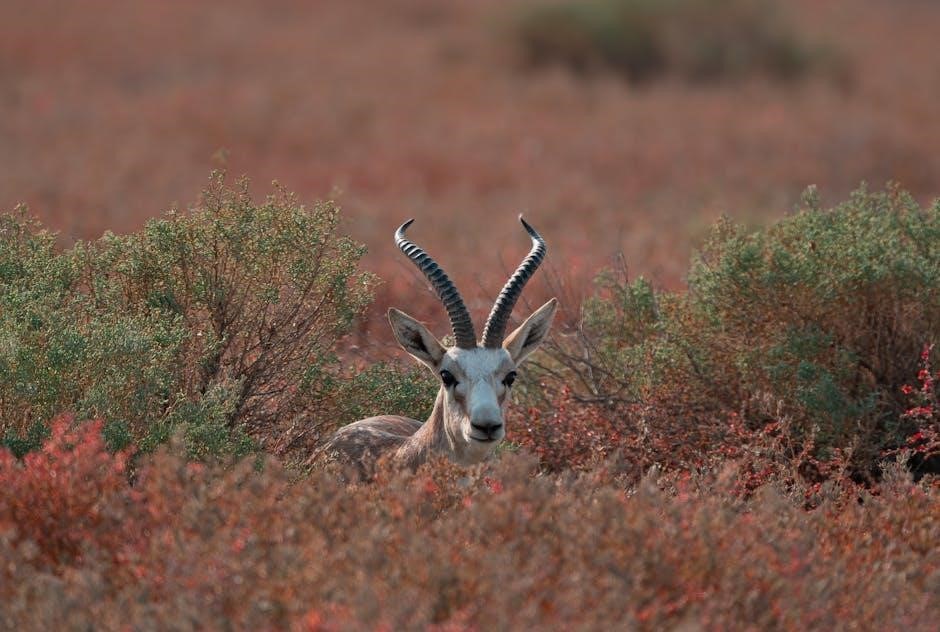
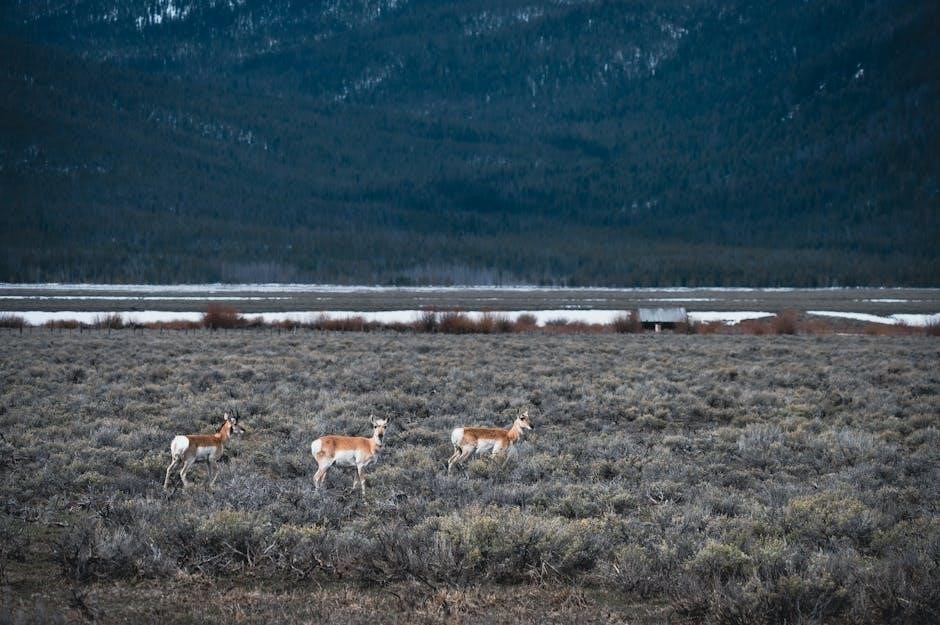
Antelope exhibit predictable patterns; understanding their feeding times and travel routes is crucial for successful hunts. Knowledge of these habits, combined with scouting, dramatically increases your chances of locating and ethically harvesting an animal during a guided experience.
Feeding Patterns
Antelope are opportunistic feeders, shifting diets with seasonal availability. They browse on shrubs, forbs, and grasses, concentrating in areas offering optimal nutrition. Observing these patterns, alongside water source proximity, is key for guides to pinpoint prime hunting locations effectively.
Travel Corridors
Antelope utilize established travel routes between feeding and bedding areas, often dictated by terrain and seeking minimal energy expenditure. Guides leverage knowledge of these corridors, particularly during dawn and dusk, to intercept migrating herds and increase hunter success rates significantly.
Field Dressing & Meat Care
Proper field dressing is crucial for preserving antelope meat quality, requiring swift removal of internal organs and cooling the carcass rapidly. Guided hunts prioritize hygienic handling, utilizing game bags and often providing assistance with quartering and transportation to processing facilities.
Proper Field Dressing Techniques
Guided antelope hunts emphasize swift, sanitary field dressing; beginning with a precise initial cut, careful organ removal, and thorough cavity cleaning. Experienced guides demonstrate techniques to prevent contamination, ensuring meat quality and adherence to hygienic practices for optimal preservation.
Meat Preservation & Transportation
Following a successful guided antelope hunt, proper meat care is crucial. Guides assist with quartering, cooling, and protecting the meat from spoilage during transport. Utilizing game bags and potentially refrigeration, they ensure legal and quality delivery to processors or your destination.
Legal Considerations & Liability
Guided antelope hunts involve hunter responsibility and outfitter accountability. Outfitters must maintain proper insurance and permits, ensuring compliance with state regulations. Hunters should understand their obligations regarding ethical conduct and adherence to all hunting laws during the expedition.
Hunter Responsibility
Hunters participating in guided antelope hunts bear the responsibility of understanding and obeying all applicable hunting regulations. Ethical conduct, safe firearm handling, and respect for wildlife are paramount. Adherence to the outfitter’s instructions is crucial for a lawful and enjoyable experience.
Outfitter Insurance & Permits
Reputable outfitters providing guided antelope hunts must maintain comprehensive liability insurance and possess all required state and federal permits. Verification of these credentials is essential for hunter safety and legal compliance, ensuring a professionally managed and responsible hunting operation.
Future Trends in Guided Antelope Hunting
Antelope hunting will likely see increased utilization of drone technology for scouting and potentially, ethical harvest monitoring. Conservation efforts focused on habitat preservation and sustainable harvest practices will also shape future guided hunt offerings, prioritizing long-term resource health.