Super Gross Chemistry Set Instructions PDF: An Overview
Super chemistry sets, particularly those marketed with a “gross” theme, gained traction in the mid-20th century, offering unique experiments.
Digital PDF manuals are now crucial for accessing instructions, often found online through archive sites or enthusiast communities. These PDFs detail procedures,
safety warnings, and chemical diagrams, requiring careful interpretation for responsible use and understanding potential hazards associated with included substances.
Historical Context of Chemistry Sets
Chemistry sets emerged in the early 20th century, initially designed as educational tools to introduce young minds to basic chemical principles. These early sets, often marketed by companies like Porter Chemical, focused on relatively safe experiments, emphasizing learning through hands-on experience. However, post-World War II, a surge in popularity coincided with increased access to chemicals and a shift in marketing strategies.
The mid-century witnessed the rise of sets emphasizing dramatic, visually striking experiments – the precursors to the “super gross” era. Companies began capitalizing on children’s fascination with the unusual and slightly unsettling, incorporating experiments that produced bubbling concoctions, strange odors, and colorful reactions. This period lacked stringent safety regulations, leading to sets containing potentially hazardous substances. The appeal lay in the novelty and perceived “scientific” nature of creating these effects, laying the groundwork for the later, more explicitly “gross” themed kits and their accompanying PDF instructions.
Early 20th Century Chemistry Sets
Early chemistry sets, appearing around 1923, were primarily educational tools intended for introducing fundamental chemical concepts to students. Companies like Porter Chemical Company pioneered these sets, offering basic equipment and chemicals for simple experiments. These initial kits focused on safe, demonstrable reactions – creating gases, observing crystallization, and performing simple titrations.

The content was relatively benign, featuring common household chemicals like baking soda, vinegar, and iron filings. Instructions were typically straightforward, emphasizing careful observation and recording of results. While not explicitly designed for entertainment, the hands-on nature of these early sets sparked curiosity and fostered an interest in science. These foundational kits lacked the sensationalism of later “super gross” sets, but established the core concept of home-based chemical exploration, eventually leading to the development of more elaborate and, ultimately, controversial products and their associated PDF guides.
Post-War Popularity and Content
Following World War II, chemistry sets experienced a surge in popularity, fueled by post-war prosperity and a growing fascination with science. Companies like Gilbert U-Chem and later, EMCO, dominated the market, expanding the scope and complexity of their offerings. Sets began to include a wider array of chemicals, including those capable of producing more dramatic – and potentially hazardous – reactions.
This era saw the introduction of experiments involving simulated volcanoes, “growing” crystals, and creating colorful, sometimes foul-smelling compounds. The content shifted towards entertainment value, appealing to a younger audience. The accompanying instruction manuals, often preserved today as PDFs, became more detailed, but sometimes lacked sufficient emphasis on safety precautions. This period laid the groundwork for the “super gross” trend, as manufacturers sought to differentiate their products through increasingly sensational experiments and chemical combinations.
The Rise of Safety Concerns
As chemistry sets grew in popularity, so did reports of accidents and injuries, particularly those linked to the “super gross” themed sets. Concerns centered around the accessibility of hazardous chemicals to children, coupled with inadequate safety instructions within the accompanying PDF manuals. Substances like mercury, lead compounds, and concentrated acids were commonly included, posing significant risks of poisoning, burns, and long-term health effects.
The dramatic experiments, designed to be visually appealing, often downplayed the potential dangers. Instances of fires, explosions, and chemical burns prompted increased scrutiny from consumer advocacy groups and regulatory bodies. The readily available PDF instructions, while detailing procedures, frequently lacked clear warnings or guidance on proper handling and disposal of chemicals, contributing to the escalating safety issues.
Regulation and Changes in Set Composition
Responding to mounting safety concerns, governments began implementing stricter regulations on the composition and sale of chemistry sets, including those with “super gross” elements. The Consumer Product Safety Commission (CPSC) in the United States played a pivotal role, establishing guidelines for permissible chemical concentrations and requiring more comprehensive safety warnings in PDF instructions.
Consequently, manufacturers gradually phased out highly hazardous substances, replacing them with less dangerous alternatives. The content of PDF manuals was revised to emphasize safety protocols, proper ventilation, and the necessity of adult supervision. While older sets, accessible through online archives, still contain potentially harmful chemicals, modern chemistry sets adhere to significantly higher safety standards, reflecting a shift towards responsible scientific education.

Understanding the “Super Gross” Element
“Super gross” chemistry sets strategically utilized marketing appealing to children’s fascination with the repulsive, featuring experiments focused on simulating bodily fluids and unpleasant reactions.
Marketing to Children: The Appeal of “Gross”
The marketing of “super gross” chemistry sets deliberately tapped into a specific psychological phenomenon prevalent among children – a fascination with things considered taboo, disgusting, or generally unpleasant. This wasn’t accidental; it was a calculated strategy to differentiate these sets from traditional, more academically-focused chemistry kits. Advertisements frequently showcased experiments that mimicked bodily functions, created simulated “monster parts,” or produced vividly colored, bubbling concoctions resembling slime or goo.
This appeal wasn’t simply about shock value. It offered a sense of controlled transgression – allowing children to explore potentially “gross” concepts within a safe, contained environment. The branding often employed playful, cartoonish imagery alongside the unsettling experiment descriptions, softening the potentially frightening aspects. The promise of creating something “icky” or “disgusting” became a powerful draw, particularly for younger boys, fostering a sense of experimentation and discovery through a lens of playful rebellion. This marketing approach successfully positioned these sets as uniquely exciting and desirable.
Common “Gross” Experiments Included
“Super gross” chemistry sets commonly featured experiments designed to simulate bodily fluids and functions, or create visually unsettling substances. Popular examples included creating “artificial vomit” using baking soda and vinegar, producing “blood” with iron(III) chloride and starch, and growing “mold” (often just dyed cotton candy). “Worm” creation, utilizing sodium alginate and calcium chloride to form gel-like strands, was another frequent inclusion.
Many sets also involved creating “monster skin” or “boogers” using polymers and thickening agents. Experiments focused on gas production, like inflating balloons with carbon dioxide from reacting baking soda and citric acid, were presented as simulating flatulence. Color-changing reactions, often involving pH indicators, were used to mimic bodily waste. These experiments, while seemingly harmless, relied on chemical reactions that, without proper understanding and safety precautions, could pose risks.
Chemicals Commonly Found in These Sets
“Super gross” chemistry sets frequently contained chemicals now considered hazardous or requiring strict regulation. Common components included sodium alginate and calcium chloride for “worm” creation, iron(III) chloride for simulating blood, and citric acid and sodium bicarbonate for gas-producing reactions. Dyes, often containing potentially harmful substances, were used extensively to create realistic colors for simulated bodily fluids.
Other frequent inclusions were starch, used as a thickening agent and in “blood” recipes, and various polymers to create slime-like substances. Phenolphthalein, a pH indicator, was common for color-changing experiments. While seemingly benign individually, combinations of these chemicals could create unexpected reactions. The lack of clear labeling and safety data sheets in older sets compounded the risks associated with these substances, necessitating careful handling and adult supervision.
Potential Hazards Associated with Included Chemicals
The chemicals within “super gross” sets presented significant hazards. Iron(III) chloride, while used to simulate blood, is corrosive and can cause skin and eye irritation. Sodium alginate, when combined with calcium chloride, can create slippery substances posing a fall risk. Dyes, often unregulated, might contain carcinogenic compounds. Phenolphthalein, though a pH indicator, has been subject to carcinogenicity concerns.
More seriously, improper mixing could generate toxic gases or exothermic reactions leading to burns. Ingestion of any chemical posed a severe health risk. The lack of comprehensive safety information in vintage manuals exacerbated these dangers. Long-term exposure, even to seemingly harmless substances, could have cumulative health effects. Therefore, handling these chemicals requires extreme caution, proper ventilation, and strict adherence to safety protocols.
Safety Regulations Regarding Hazardous Substances
Following mounting concerns, regulations surrounding chemistry sets drastically changed. The Consumer Product Safety Commission (CPSC) implemented stricter guidelines in the 1970s, limiting chemical concentrations and banning highly toxic substances like white phosphorus and mercury. Labeling requirements became more comprehensive, mandating clear hazard warnings and first-aid instructions.
These regulations aimed to prevent incidents like accidental poisonings and chemical burns. Modern chemistry sets adhere to these standards, utilizing safer alternatives and emphasizing educational value over “gross” factor. The Federal Hazardous Substances Act also plays a role, classifying and regulating dangerous chemicals. Compliance is crucial for manufacturers, and ongoing monitoring ensures continued safety improvements, a stark contrast to the largely unregulated vintage “super gross” sets.

Decoding the PDF Instructions
PDF manuals for these sets require careful study; interpreting chemical symbols, understanding step-by-step procedures, and identifying safety warnings are vital for successful—and safe—experimentation.
Locating and Accessing PDF Manuals Online
Finding original PDF instruction manuals for vintage “Super Gross” chemistry sets can be challenging, but several online resources offer archived copies. Internet Archive (archive.org) is a primary source, often hosting scanned versions of these manuals. Dedicated chemistry set collector websites and forums frequently share links to downloadable PDFs, creating community-driven repositories.
eBay and other online auction sites sometimes list the manuals separately from the sets themselves. A targeted Google search using specific set names and “PDF manual” keywords is also effective. Be cautious when downloading from unfamiliar websites, ensuring they are reputable to avoid malware. Once located, these PDFs provide crucial information for understanding the experiments and, most importantly, the associated safety precautions.
Interpreting Chemical Diagrams and Symbols
Vintage “Super Gross” chemistry set manuals often utilize simplified chemical diagrams and symbols, requiring careful interpretation. Understanding basic molecular representations – spheres for atoms, lines for bonds – is fundamental. Pay close attention to chemical formulas, indicating the types and quantities of atoms in each compound. Hazard symbols, though potentially less standardized than modern ones, are critical; look for indicators of flammability, toxicity, or corrosiveness.
The manuals may also include diagrams illustrating experimental setups. These aren’t always to scale, but they demonstrate the correct arrangement of glassware and components. Deciphering these visuals is vital for safe and successful experimentation. Recognizing common symbols for acids, bases, and reactive substances is essential for comprehending the potential risks involved.
Understanding Experiment Procedures Step-by-Step
“Super Gross” chemistry set instructions, found in PDF format, often present procedures with a narrative style, sometimes lacking the precision of modern scientific protocols. Carefully read each step before beginning, visualizing the entire process. Note the order of operations – adding chemicals, heating solutions, observing reactions – as deviations can lead to unexpected and potentially hazardous outcomes.
Pay close attention to quantities specified; imprecise measurements can alter results or create dangerous conditions. The instructions may use colloquial language or assume a certain level of prior knowledge. If a step is unclear, do not proceed – seek clarification from a knowledgeable adult. Thoroughly understand the expected outcome of each step to identify any anomalies during the experiment.
Identifying Safety Warnings and Precautions
PDF manuals for vintage “Super Gross” chemistry sets frequently contain safety warnings, though these may not align with contemporary standards. Look for phrases like “avoid contact with skin,” “use with adequate ventilation,” or “adult supervision required.” Illustrations depicting safety gear – goggles, gloves, aprons – are crucial indicators. Be aware that older sets often lacked comprehensive hazard communication.
Pay attention to specific chemical warnings; some substances may be flammable, corrosive, or toxic. Understand the meaning of hazard symbols (skull and crossbones, corrosive symbol, etc.). If a warning is ambiguous or missing, treat the experiment as potentially hazardous. Prioritize safety above all else; if unsure, do not proceed. Always review the entire manual for potential risks before starting.
Troubleshooting Common Experiment Issues
Vintage “Super Gross” chemistry set PDFs often lack detailed troubleshooting guides. Common issues include failed reactions due to expired chemicals, incorrect measurements, or improper mixing. If a reaction doesn’t occur as expected, double-check ingredient quantities and mixing order. Ensure chemicals haven’t degraded – discoloration or clumping indicates spoilage.
If a reaction is too slow, gentle warming (under strict adult supervision) might help, but avoid direct heat. Unexpected color changes or fumes signal a potential error; immediately stop and ventilate the area. PDF manuals may offer limited solutions, so online forums dedicated to vintage chemistry sets can provide valuable peer support and advice. Prioritize safety; never attempt to force a reaction.

Safety Precautions and Responsible Use
Super Gross chemistry sets demand strict adult supervision, proper ventilation, and personal protective equipment. Careful chemical storage, disposal, and first aid knowledge are essential for safe experimentation.
Adult Supervision Requirements
Super Gross chemistry sets, due to their inherent nature and the chemicals they contain, absolutely necessitate constant and direct adult supervision. These kits were often marketed towards children, but the experiments involved potential hazards that require a knowledgeable adult to mitigate risks effectively. The adult supervisor should thoroughly read and understand the entire instruction manual before allowing any experimentation to begin.
This includes being familiar with all safety warnings, understanding the potential reactions, and knowing the proper procedures for handling chemicals and equipment. The adult’s role isn’t simply observation; it’s active guidance, ensuring children follow instructions precisely, wear appropriate personal protective equipment (PPE), and understand the consequences of deviating from the prescribed procedures. Furthermore, the supervisor must be prepared to administer first aid in case of accidental exposure or injury, and know how to properly dispose of chemical waste.

Proper Ventilation and Workspace Setup
Conducting experiments from “Super Gross” chemistry sets demands a meticulously prepared workspace prioritizing safety. Adequate ventilation is paramount; experiments should always be performed in a well-ventilated area, ideally near an open window or utilizing a fume extractor, to prevent the build-up of potentially harmful fumes. The workspace itself should be a smooth, non-porous surface, easily cleaned to contain spills.
Covering the work area with plastic sheeting provides an additional layer of protection. Remove all unnecessary items from the vicinity to minimize distractions and potential hazards. Ensure easy access to running water for rinsing and emergency eyewash solutions; Clearly designate separate areas for chemical storage, experiment execution, and waste disposal. A clean, organized, and well-ventilated workspace significantly reduces the risk of accidents and promotes responsible experimentation with these vintage kits.
Personal Protective Equipment (PPE)
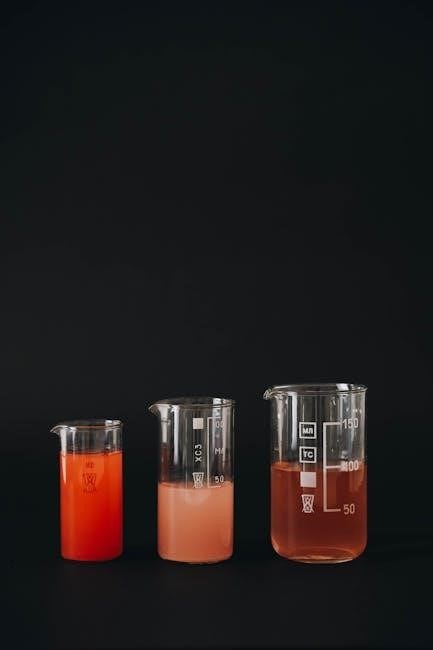
When engaging with experiments from vintage “Super Gross” chemistry sets, utilizing appropriate Personal Protective Equipment (PPE) is non-negotiable. Safety goggles are essential to shield eyes from splashes and irritating fumes – standard eyeglasses offer insufficient protection. Chemical-resistant gloves, such as nitrile or neoprene, should be worn to prevent skin contact with potentially corrosive or toxic substances.
A lab coat or apron provides a protective barrier for clothing. In situations involving dust or aerosols, a respirator mask may be necessary, though proper fit-testing is crucial. Closed-toe shoes are mandatory, eliminating the risk of chemical spills contacting bare skin. Remember, the chemicals in these older sets often lack modern safety data, making comprehensive PPE vital. Prioritize protection; it’s a fundamental aspect of responsible experimentation.
Chemical Storage and Disposal Guidelines
Proper chemical storage is paramount when dealing with vintage “Super Gross” chemistry sets. Store all chemicals in a cool, dry, well-ventilated area, away from direct sunlight and heat sources. Keep containers tightly sealed and clearly labeled – original labels are ideal, but recreate if necessary. Segregate incompatible chemicals; for example, acids should never be stored near bases.
Disposal of chemicals from these sets requires extreme caution. Never pour chemicals down the drain or into the trash. Contact your local waste management authority for guidance on hazardous waste disposal procedures. Many communities offer household hazardous waste collection events. Diluting chemicals is generally not recommended without specific instructions from a qualified professional. Responsible disposal protects both the environment and public health.
First Aid Procedures for Chemical Exposure
Immediate action is crucial following chemical exposure from a “Super Gross” chemistry set. For skin contact, immediately flush the affected area with copious amounts of water for at least 20 minutes, removing contaminated clothing. If ingested, do not induce vomiting unless directed by a medical professional; contact Poison Control immediately.
For eye contact, flush with water continuously for at least 20 minutes, lifting upper and lower eyelids. Inhalation requires moving the victim to fresh air. Seek immediate medical attention in all cases of chemical exposure, bringing the chemical’s label or Safety Data Sheet (SDS) if available. Knowing the specific chemical involved is vital for appropriate treatment. Always prioritize safety and professional medical guidance.

Alternatives to Vintage “Super Gross” Sets
Modern chemistry kits prioritize safety with pre-measured, non-toxic chemicals and clear instructions. Online resources and DIY experiments offer safe, educational alternatives for budding scientists.
Modern Chemistry Sets with Enhanced Safety
Contemporary chemistry sets represent a significant departure from the potentially hazardous “super gross” kits of the past, prioritizing child safety through meticulous design and material selection. These modern iterations typically feature pre-packaged, non-toxic chemicals, eliminating the risks associated with handling and mixing potentially dangerous substances found in older sets.
Experiment instructions are now far more detailed and user-friendly, often incorporating clear diagrams and step-by-step guidance to minimize errors and ensure proper execution. Furthermore, many sets include safety goggles and gloves as standard components, promoting responsible laboratory practices from a young age.
Emphasis is placed on educational value, with experiments designed to illustrate fundamental scientific principles in a safe and engaging manner. Manufacturers adhere to stringent safety regulations and undergo rigorous testing to guarantee product compliance and minimize potential hazards, offering peace of mind to parents and educators alike.
Educational Science Kits Focusing on Safe Experiments
Beyond traditional chemistry sets, a diverse range of educational science kits offer engaging alternatives that prioritize safety without sacrificing scientific exploration. These kits often focus on specific scientific disciplines, such as biology, physics, or geology, providing hands-on learning experiences tailored to different age groups and interests.
Many kits utilize household materials and readily available ingredients, minimizing the need for potentially hazardous chemicals; Experiments are designed to be visually stimulating and conceptually accessible, fostering a deeper understanding of scientific principles through direct observation and experimentation.
Furthermore, these kits frequently incorporate detailed instruction manuals with clear explanations and safety guidelines, ensuring that children can conduct experiments responsibly under adult supervision. They represent a valuable resource for parents and educators seeking to cultivate a love of science in a safe and enriching environment, moving away from the risks associated with vintage “super gross” sets.
Online Resources for Safe Chemistry Activities
Numerous online platforms provide access to safe and engaging chemistry activities, offering a viable alternative to potentially hazardous vintage kits. Websites like Science Buddies and Exploratorium offer a wealth of experiment ideas, complete with detailed instructions, material lists, and safety precautions.
Educational YouTube channels, such as NileRed and Periodic Videos, demonstrate captivating chemistry experiments performed by qualified scientists, providing visual learning experiences and promoting scientific literacy. These resources often emphasize the importance of safety, proper technique, and responsible chemical handling.
Interactive simulations and virtual labs allow students to explore chemical concepts and conduct experiments in a risk-free environment, fostering a deeper understanding of scientific principles without the need for physical materials. These digital tools complement traditional learning methods and provide a valuable resource for both educators and students seeking safe and accessible chemistry education.
DIY Science Experiments with Household Materials
Exploring scientific principles doesn’t require specialized equipment; many engaging experiments can be conducted using common household items. Baking soda and vinegar reactions demonstrate acid-base chemistry, creating a safe and visually appealing “volcano” effect.
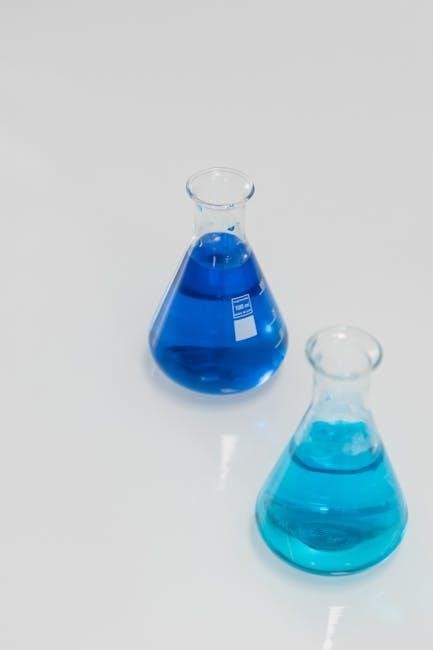
Creating homemade slime utilizes polymers found in glue and borax, illustrating the properties of non-Newtonian fluids. Simple density experiments with layered liquids like oil, water, and honey showcase the concept of density differences.

These DIY activities offer a hands-on learning experience, fostering curiosity and scientific thinking without the risks associated with potentially hazardous chemicals found in older “super gross” chemistry sets. Adult supervision is still crucial, even with household materials, to ensure safe practices and proper understanding of the underlying scientific concepts.