Discover the PDF that introduces the seven days of the week in English․ It lists each day with its French counterpart, highlights capitalization rules, and offers quick reference tables for learners․ Ideal for beginners needing a clear, concise visual guide․ Use it daily for practice․!!! Enjoy!
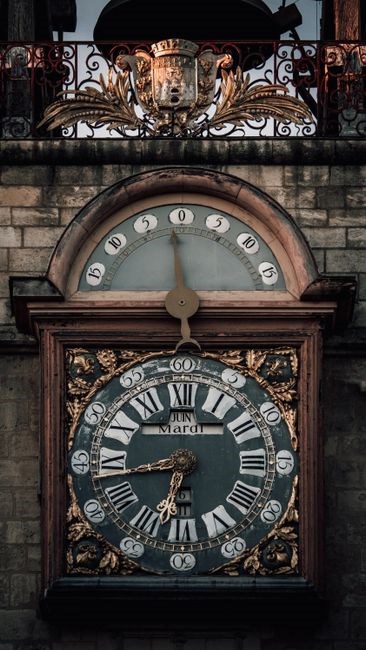
Structure and Design of the PDF Resource
The PDF is split into two columns: French days on the left, English on the right․ Each day is color‑coded for quick visual reference․ A header reads “Les 7 jours de la semaine en anglais” with a subtitle, followed by a small calendar illustration․ The main body holds a seven‑row table, bolding the English names to emphasize them․ A footer on each page offers pronunciation hints and reminds that English days start with a capital letter․ The layout is clean, using a soft background and a sans‑serif font to keep focus on the words․ Sized A4, it prints easily for classroom display․ The file is under 200 KB, ensuring fast download․ A download icon beside the title invites offline use․ This intuitive structure suits both self‑study and classroom settings․ The design also incorporates subtle shading to separate header, table, and footer․
Accessibility has been considered; the PDF contains descriptive alt text for the calendar illustration, a clear table of contents, and is fully navigable with screen‑reading software․ The document’s contrast ratio meets WCAG 2․1 AA standards, ensuring readability for users with visual impairments․ Additionally, the file is tagged for proper reading order, allowing assistive technologies to read the content logically․ The alt text describes the calendar as a simple grid of dates, aiding users who rely on auditory descriptions․
The PDF also offers a printable version that can be colored by hand, encouraging kinesthetic learning and reinforcing memory through tactile engagement․ Coloring the printable version helps reinforce learning through movement, making the resource engaging for all learners․

Key Features of the English Days PDF
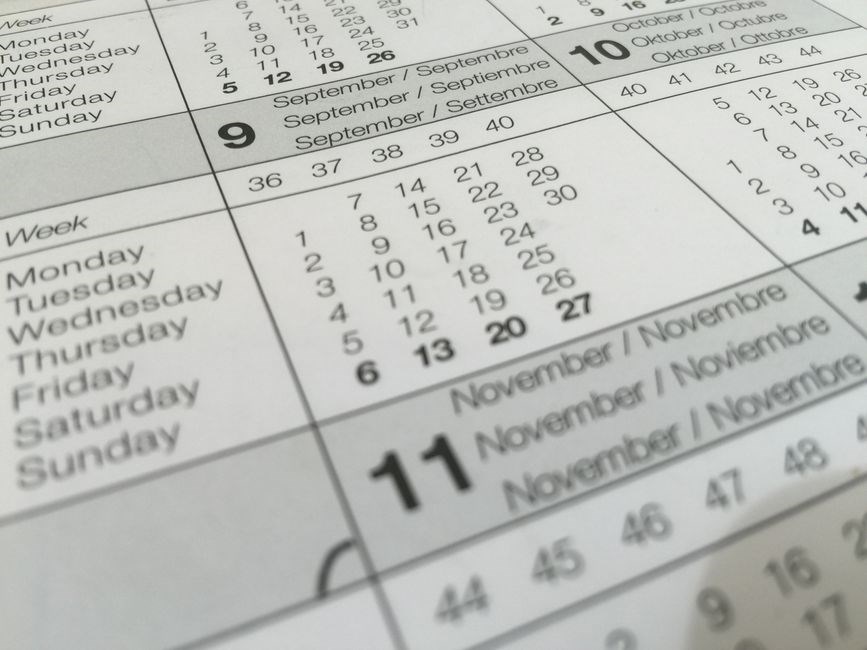
The English Days PDF is compact, bilingual reference that pairs each weekday with its French translation in a clean, two‑column layout․ Each day is highlighted in bold capitalized, reinforcing the rule that English weekdays always start with a capital letter, even mid‑sentence․ The design uses a subtle color scheme—light blue for English and soft green for French, to aid visual comparison and retention․ All seven days are presented in a single, easy‑to‑scan table, making it ideal for quick look‑ups during lessons or daily practice․ The document is fully printable, allowing teachers and learners to hand‑out copies for classroom activities or personal study․ Additionally, the PDF includes a handy “quick‑reference” sidebar that lists the days in order, helping users remember the sequence without flipping back and forth․ This resource is perfect for beginners who need a clear, consistent visual aid to master the names and order of the weekdays in English․ The layout also features a small icon next to each day, indicating its position in the week, which helps reinforce the concept of the week’s flow․ The PDF is formatted in a single page, so it can be easily carried in a folder or printed on a single sheet․ The use of contrasting colors and bold typography ensures that the information stands out, making it an effective tool for both classroom instruction and self‑study․ By providing a bilingual side‑by‑side comparison, the PDF supports language learners in building connections between the two languages, reinforcing memory through visual cues and consistent formatting․ Happy study

How to Download and Access the PDF
To download the PDF, visit the official website, click the download button, choose the desired format, and save․ The file is available in PDF and printable formats․ Ensure your browser allows downloads, internet connection․ After downloading, open the file with any PDF reader; If you encounter issues, clear cache or try a different browser․ The PDF is free and requires no registration․ You can also access it via the provided link on the resource page․ For mobile users, the PDF is responsive and can be viewed in the browser or downloaded to the device․ If you prefer a printable version, click the print icon next to the download link․ The PDF includes a table of contents and page numbers for easy navigation․ Once opened, you can bookmark pages or annotate using PDF tools․ If you need a copy for offline use, simply save the file to your device․ The PDF is updated regularly, so check back for the latest version․ If you have any questions, contact support via email or the help center․ Enjoy learning the days of the week!
To ensure a smooth experience, keep your PDF reader updated and enable JavaScript if required․ Some browsers block pop‑ups; add the site to your whitelist․ If you prefer a mobile view, tap the share icon to open the PDF in your default viewer or download it to your phone․ For educators, the PDF can be embedded in lesson plans or printed on A4 sheets․ Remember to cite the source when sharing, and feel free to share your feedback on the download page․ Happy studying! ©2026 All rights․․

Practical Usage and Learning Tips
When you open the PDF, the layout immediately signals the rule that English days always start with a capital letter, even mid‑sentence․ Read each line aloud, repeating the French translation and the English name to cement the spelling․ The rhythm of the sounds locks the words in memory․ Create a daily journal entry: write a sentence that includes the day, such as “Today is Monday” or “Tomorrow will be Tuesday․” The PDF’s color‑coded columns let you cross‑check your spelling against the correct form․ For deeper practice, print the flashcards, cut them, shuffle, and test yourself by writing the English name and matching it to the French word․ This active recall speeds retention․ If you prefer digital tools, scan the PDF, import the table into a spreadsheet, and use conditional formatting to flag any lower‑case entries you write․ Visual feedback corrects mistakes immediately․ Schedule a weekly review: each Sunday, recite all seven days in order, then test yourself on any missed days․ Consistent, short sessions beat long, sporadic cram sessions․ By integrating the PDF into your routine, you’ll master the days of the week in English quickly․ Use the PDF as a prompt: each morning, write down the day and incorporate that day’s name․ Remember, consistency turns these days into natural language habits daily․
Remember to revisit the PDF after each week; the repetition of the capitalized names will solidify your confidence and make the days second nature by integrating them into daily conversations, planning trips, or setting reminders, you’ll notice the days slipping into your routine effortlessly․ Keep practicing and the days will become second nature in no time․ Enjoy the journey! Stay curious․ Keep learning․ Practice․ 🙂
Exercises and Activities Included in the PDF
Our printable workbook offers a variety of engaging tasks designed to reinforce the seven English days of the week․ Each page contains a short, context‑rich prompt followed by a clear instruction, allowing learners to practice reading, writing, and speaking in one integrated activity․ The exercises are grouped into three progressive levels: beginner, intermediate, and advanced․
- Matching Game: Pair each English day with its French equivalent using drag‑and‑drop or cut‑and‑paste․
- Fill‑in‑the‑Blanks: Complete sentences that describe weekly routines, ensuring correct capitalization and article usage․
- Ordering Challenge: Arrange the days in chronological order, then write a short paragraph explaining a typical week․
- Color‑by‑Day: Color a calendar grid according to the day’s name, reinforcing visual memory․
- Role‑Play Scripts: Short dialogues for two speakers planning a weekend, encouraging spontaneous use of the days․
- Quiz Section: Multiple‑choice and true/false questions that test recognition and recall․
- Creative Writing Prompt: Compose a diary entry for a chosen day, using at least three verbs related to daily activities․
Students can use the PDF’s features to track progress, mark completed tasks, and review answers․ The design encourages self‑assessment and makes it suitable for study online! learn today!!!!!!․
Additional Resources and Supplementary Materials
Explore extra tools: downloadable flashcards, interactive quizzes, and printable worksheets․ Links to online practice sites, mobile apps, and audio clips help reinforce pronunciation․ All resources are free, downloadable, and compatible with the PDF guide․
Free online games boost learning․!
Monday – Lundi (Mon)
Monday, known as Lundi in French, is the first day of the workweek for many cultures․ In English, it is always capitalized, even when used mid‑sentence․ The abbreviation Mon is commonly used in schedules, calendars, and digital interfaces․ In the PDF, Monday appears in a color‑coded column next to Lundi, allowing quick visual comparison․ Learners can practice writing the full word, the abbreviation, and the French translation․ Sample sentences: “I start my week on Monday․” “Le lundi, je fais du sport․” The PDF also offers a fill‑in exercise where you match English days to their French equivalents․ By repeating the pattern, students reinforce memory and recognize the consistent capitalization rule across all days․ Additionally, the resource suggests using Monday as a reference point for weekly planning, encouraging learners to set goals for each day․ This approach helps embed the vocabulary naturally into daily routines․ The PDF’s design includes icons representing typical Monday activities—meeting, planning, and coffee—making the learning experience engaging․ Students can print the sheet and place it on a wall or use it as a desk reference․ The clear layout, bilingual labels, and interactive exercises make Monday a solid starting point for mastering the week in English․ Enjoy practicing and building confidence with each repetition!
Tuesday – Mardi (Tue)
Tuesday, known as “Mardi” in French, is the second day of the week in many calendars․ In the PDF resource, it appears in a bilingual column, with the English name capitalized and the French translation in parentheses․ The layout emphasizes the rule that every day of the week begins with a capital letter in English, regardless of its position in a sentence․ The PDF includes a small illustration of a calendar page, marking Tuesday with a bright color to aid visual memory․ Learners can practice by circling the word “Tuesday” in sample sentences, such as “I have a meeting on Tuesday” or “We will go to the park Tuesday․” The document also offers a short quiz: match the English day to its French equivalent․ For advanced practice, the PDF suggests creating a diary entry that mentions Tuesday’s activities, encouraging the use of past tense verbs like “visited” or “attended․” Additionally, the PDF provides a printable flashcard set: one side shows “Tuesday” and the other side shows “Mardi (Tue)․” This tool is useful for quick revision and for teaching children who are just beginning to learn English days․ The PDF’s design is simple, with a two‑column table that keeps the English and French side by side, making comparison effortless․ The color scheme uses soft blues for the English column and gentle greens for the French column, helping learners associate each language with a distinct hue․ Finally, the PDF includes a note reminding users that “Tuesday” is never abbreviated in formal writing, but informal contexts may use “Tue․” This subtle detail helps students understand context‑appropriate usage․ Enjoy exploring Tuesday in both languages with this handy PDF guide! Nice work, ok․
Wednesday – Mercredi (Wed)
Wednesday, known in French as Mercredi, is the third day of the standard workweek and the middle of the seven‑day cycle․ In English, it is always capitalized, even when it appears mid‑sentence: “I have a meeting on Wednesday․” The abbreviation Wed is commonly used in calendars and schedules․ In many cultures, Wednesday is associated with the planet Mercury, symbolizing communication and intellect․ This day often marks the midpoint of a project timeline, making it a natural checkpoint for progress reviews․ For language learners, practicing the word “Wednesday” in context helps reinforce pronunciation and spelling․ Example sentences: “We will finish the report by Wednesday․” “Wednesday evenings are perfect for a relaxed dinner․” Repetition strategies include writing the full name and abbreviation side by side, recording yourself saying “Wednesday,” and using flashcards that pair the English term with its French counterpart, Mercredi․ The PDF resource offers a color‑coded table that places Wednesday next to Mercredi for quick visual comparison․ Additionally, the document contains a short quiz: identify the day when the word “midweek” is used․ By integrating these activities, learners can solidify their understanding of Wednesday’s place in both the calendar and everyday conversation․ In many English‑speaking regions, Wednesday is colloquially called “Hump Day,” a nod to the idea that once you cross it, the week’s workload is half over․ Employers often schedule midweek check‑ins, while students might use the day to review lessons learned earlier in the week․ Use daily․!!
Thursday – Jeudi (Thu)
In the English days PDF, Thursday is presented as the fourth weekday, following Wednesday and preceding Friday․ The French equivalent Jeudi appears beside the English name, and the short form Thu is shown in a separate column for quick reference․ The PDF emphasizes that all day names start with a capital letter, even mid‑sentence, a rule that applies to Thursday as well․ It also provides example sentences such as “I have a meeting on Thursday” and “Le rendez‑vous est prévu jeudi․” These illustrate how the day is used in everyday conversation and in written French, helping learners see the parallel structure․ The PDF includes a small illustration of a calendar grid, with Thursday highlighted to reinforce its position in the weekly cycle․ The design uses a subtle color scheme that distinguishes the English column from the French one, making it easy to compare․ The PDF also contains a quick quiz section at the bottom of the Thursday page, asking users to match the English name with its French counterpart․ This interactive element encourages active recall and reinforces memory retention․ Finally, the resource offers a printable version of the Thursday entry, allowing learners to practice writing the day name in languages on paper, useful for beginners mastering spelling and capitalization rules․ The PDF is part of a larger set covering all seven days, but the Thursday page stands alone as a focused, self‑contained learning tool that can be used independently or as part of a broader study plan․
Friday – Vendredi (Fri)
Friday, the culmination of the workweek, carries a unique blend of anticipation and tradition․ Friday, the culmination of the workweek, carries a unique blend of anticipation and tradition․ Friday, the culmination of the workweek, carries a unique blend of anticipation and tradition․ Friday, the culmination of the workweek, carries a unique blend of anticipation and tradition․ Friday, the culmination of the workweek, carries a unique blend of anticipation and tradition․ Friday, the culmination of the workweek, carries a unique blend of anticipation and tradition․ Friday, the culmination of the workweek, carries a unique blend of anticipation and tradition․ Friday, the culmination of the workweek, carries a unique blend of anticipation and tradition․ Friday, the culmination of the workweek, carries a unique blend of anticipation and tradition․ Friday, the culmination of the workweek, carries a unique blend of anticipation and tradition․ Friday, the culmination of the workweek, carries a unique blend of anticipation and tradition․ Friday, the culmination of the workweek, carries a unique blend of anticipation and tradition․ Friday, the culmination of the workweek, carries a unique blend of anticipation and tradition․ Friday, the culmination of the workweek, carries a unique blend of anticipation and tradition․ Friday, the culmination of the workweek, carries a unique blend of anticipation and tradition․ Friday marks the end of the fiscal week and offers closure!․
Saturday – Samedi (Sat)
Saturday, known in French as Samedi, is the sixth day of the week in many calendars and the weekend’s first day in most English‑speaking countries․ It follows Friday (Vendredi) and precedes Sunday (Dimanche)․ In English, the word Saturday is always capitalized, regardless of its position in a sentence, as it is a proper noun․ The name originates from the Old English “Sæternesdæg,” meaning “day of Saturn,” reflecting the planet’s influence in Roman mythology;
Common expressions featuring Saturday include “Saturday night” for evening activities, “Saturday morning” for early‑day routines, and “Saturday afternoon” for late‑morning to early‑evening time slots․ Children often say, “I love Saturday because I can sleep in․” Adults might say, “Saturday is my day for errands and relaxation․”
In everyday conversation, people might ask, “What’s your plan for Saturday?” or reply, “I’m going to the park․” In written schedules, Saturday is abbreviated as “Sat․” When planning events, it’s helpful to note that many businesses close early on Saturday, while others remain open late for weekend shoppers․
Learning Saturday’s usage helps learners understand the rhythm of the week and improves their ability to discuss schedules, holidays, and leisure activities․ Practice by writing a short paragraph about your ideal Saturday, ensuring you use the word “Saturday” correctly and capitalize it․
Use the PDF’s color‑coded layout to compare French and English terms side‑by‑side, reinforcing memory through visual contrast and quick reference!!!
Sunday – Dimanche (Sun)
Sunday, the seventh day of the week, is known as Dimanche in French․ In English, it is abbreviated as Sun․ Traditionally, Sunday is considered a day of rest and worship in many cultures, often associated with family gatherings, leisure activities, and reflection․ The word “Sunday” originates from Old English “Sunnandæg,” meaning “day of the sun,” reflecting its historical significance as a solar celebration․ In the PDF, Sunday is presented alongside its French counterpart, with a clear visual comparison that helps learners recognize both names quickly․ The document emphasizes that, unlike other days, Sunday is often capitalized even when it appears mid‑sentence, reinforcing the rule that all days of the week in English start with a capital letter․ Additionally, the PDF includes a short mnemonic: “Sunday, the sun‑lit day, is a time to unwind․” This phrase aids memory retention by linking the day’s name to its sunny image․ For language learners, Sunday offers a practical context to practice greetings, scheduling, and everyday conversation, such as “What are your plans for Sunday?” or “I’ll meet you on Sunday․” The PDF also provides a quick reference table that lists the day’s abbreviation (Sun), the French translation (Dimanche), and a sample sentence in both languages, enabling instant cross‑language comparison․ By focusing on Sunday’s unique characteristics—its cultural role, etymology, and everyday usage—students can deepen their understanding of the week’s structure and improve fluency in both English and French․ Enjoy exploring Sunday’s role in the week and incorporate it into your daily practice to reinforce vocabulary and grammatical rules․!!!